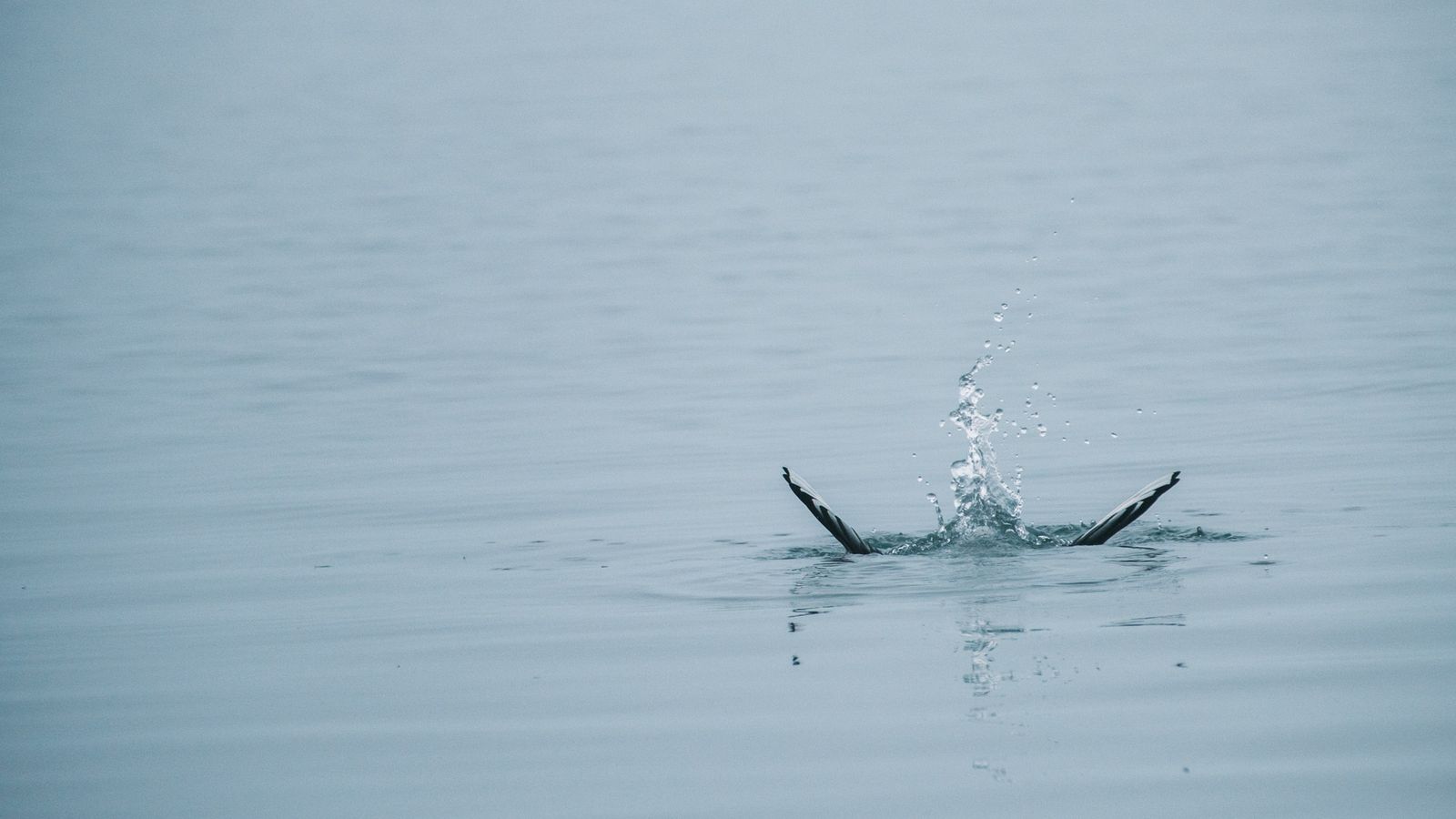
A few years ago, I had one of my photographs printed in a larger format, on proper fine art paper, and hung it on the wall of my living room. I treated it as if it were part of a small, private gallery: carefully placed, given space, allowed to exist as more than just an image on a screen.
That was also the year I decided not to buy a Christmas tree. Instead, I made one from sticks and rope. It could be assembled, disassembled, and reused year after year, without cutting down another tree for a few days of decoration.
When I was looking for a good place to hang one of the 2D ornaments, the hanger of the photo turned out to be the best spot. So I took the picture off the wall, fully intending to put it back once the holidays were over.
But the holidays ended, the year turned, and something unexpected happened.
With the new year came a kind of quiet excitement. Instead of rushing to put the same photograph back, I found myself thinking about what it would be like to live with a different image for the year ahead. One that felt right for now. One that could set a tone, rather than just fill a space. And just like that, a small ritual was born.
Since then, every year, when the Christmas ornaments are packed away, I look through my own photographs. I wait for one to speak to me. When it does, I have it printed, and it becomes one of the focal points of my living room—and, indirectly, of my daily life.
The spot matters. The image is visible not only when passing through the room, but also from the dining table and from my bed. I start my days with it. I end my days with it. For a whole year, we look at each other countless times.
In a way, this is my own, very personal “photo of the year” award. One I give quietly, without juries or votes or announcements. And in return, the photograph gets to shape my days. Sometimes subtly, sometimes more directly, simply by being there.
This year, I chose a submerging bird to accompany me.
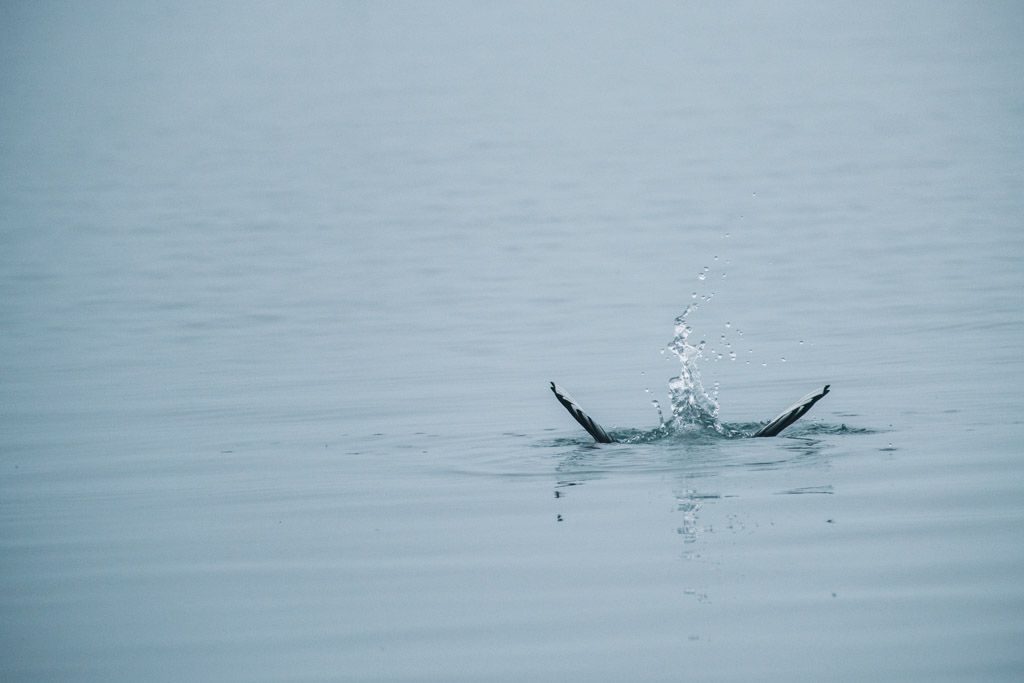
Notes on the object itself
The print is made as a giclée on 100% cotton, acid-free, gently textured Hahnemühle Photo Rag Baryta paper. It’s mounted on aluminium dibond, without any framing. A hanger and spacers are glued to the back, so the shadow cast by the print itself becomes an ever-changing frame, depending on the light and the time of day. When choosing the print's size, I usually aim for a resolution of around 240 PPI.